
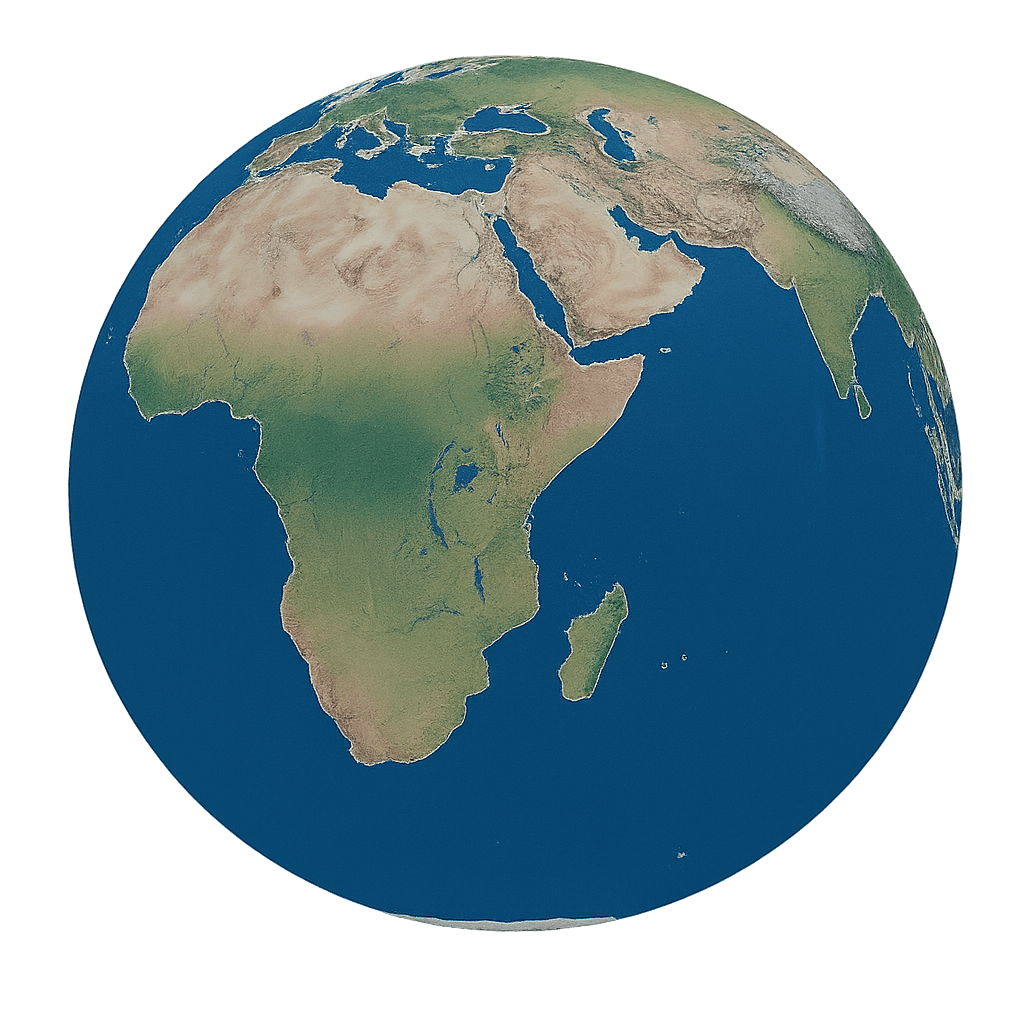
Following the news from Europe
Provided by AGP
EU faces speed test in Central Asia push
Apr. 29, 2026

By AI, Created 10:02 AM UTC, May 20, 2026, /AGP/ – The European Union is treating Central Asia as a strategic corridor for trade, energy and transport after the EU–Central Asia summit and a €12 billion Global Gateway package. Alona Lebedieva says the bloc’s real test is whether it can turn strategy into fast investment and infrastructure before rivals like China shape the region first.
Why it matters: - Central Asia is becoming a test of whether the European Union can act as a geoeconomic player, not just a rule-setter. - The region now matters for trade, transport, energy, critical raw materials, and alternative routes between Europe and Asia. - Russia’s war against Ukraine and shifting logistics have increased the value of non-Russian corridors. - Europe risks losing influence if political plans do not turn quickly into projects on the ground.
What happened: - The European Union has stepped up attention on Central Asia after the EU–Central Asia summit. - Brussels also announced a €12 billion Global Gateway package tied to the region. - Alona Lebedieva, owner of Aurum Group, said the key question is no longer whether the EU sees Central Asia’s potential, but whether Europe can act fast enough to match the new geoeconomic reality. - Lebedieva argued that influence comes from investments, infrastructure, and physical presence, not from strategies alone.
The details: - Kazakhstan, Uzbekistan, and other Central Asian countries are becoming more integrated into global economic processes. - The region is moving from a periphery role toward a more central position in regional and international trade flows. - The EU’s opportunity includes railways, border modernization, energy investment, and new logistics routes. - Lebedieva said Europe should compete with China through concrete projects, not declarations. - She said the EU often works effectively with rules and strategy, but loses ground when speed and rapid decisions are required. - China is entering the region more pragmatically through infrastructure and industrial projects.
Between the lines: - The article frames Central Asia as a speed contest as much as a strategy contest. - Brussels may have the political will and funding frameworks, but the region appears to reward faster execution and clearer business presence. - The EU’s credibility in Central Asia may depend on reducing the gap between policy announcements and implementation.
What’s next: - The key question is whether Brussels can convert political statements into financing, infrastructure, and business activity quickly enough. - If the EU moves fast, Central Asia could become a new strategic space of influence for Europe. - If the EU moves slowly, other players will continue shaping the region’s economic future. - Lebedieva said Central Asia will not wait for Europe to finish internal approvals, making the current window of opportunity time-sensitive.
The bottom line: - Central Asia is a strategic opportunity for the EU, but only speed will determine whether Brussels can turn that opportunity into real influence.
Disclaimer: This article was produced by AGP Wire with the assistance of artificial intelligence based on original source content and has been refined to improve clarity, structure, and readability. This content is provided on an “as is” basis. While care has been taken in its preparation, it may contain inaccuracies or omissions, and readers should consult the original source and independently verify key information where appropriate. This content is for informational purposes only and does not constitute legal, financial, investment, or other professional advice.
Sign up for:
Euro Broadcast News
The daily local news briefing you can trust. Every day. Subscribe now.
Check Your Email!
We sent a one-time activation link to: .
Confirm it's you by clicking the email link.
If the email is not in your inbox, check spam or try again.
Welcome back!
is already signed up. Check your inbox for updates.